 Xincuan Server | Enterprise Server Hardware Supplier
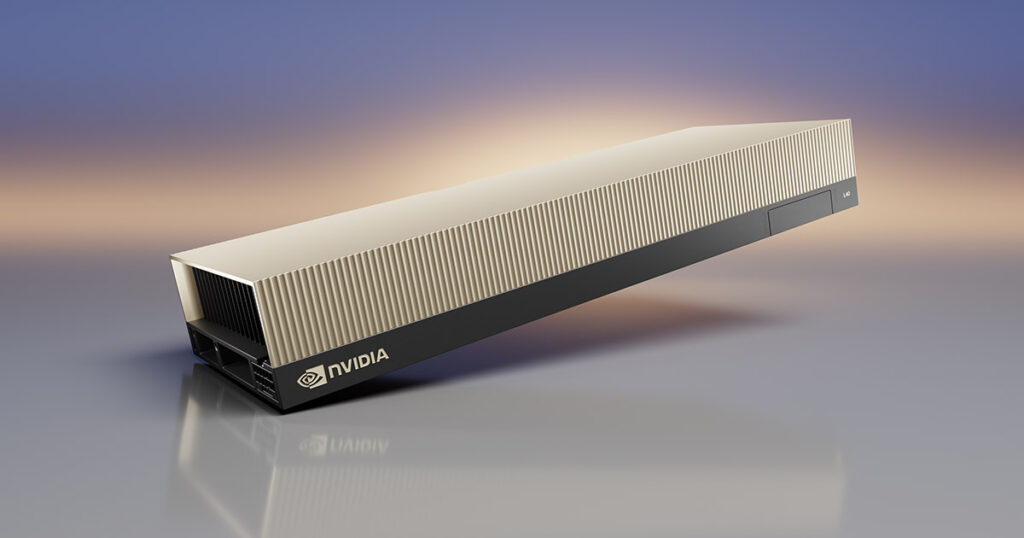
L40S vs A100 vs RTX 6000 Ada:一张表看懂推理卡定位
AI 推理时代的 GPU 选型比训练时代复杂:训练看总量,推理看性价比和部署密度。NVIDIA L40S 恰好卡在 A100 与 RTX 6000 Ada 之间的甜区:
| Attribute | NVIDIA L40S | NVIDIA A100 80GB | RTX 6000 Ada |
|---|---|---|---|
| Architecture | Ada Lovelace | Ampere | Ada Lovelace |
| Memory | 48 GB GDDR6 ECC | 80 GB HBM2e | 48 GB GDDR6 ECC |
| Memory bandwidth | 864 GB/s | 2,039 GB/s | 960 GB/s |
| FP16 (Tensor) | 733 TFLOPS | 312 TFLOPS | ~1,198 TFLOPS (FP16)* |
| FP8 (Tensor) | 1,466 TFLOPS | – | ~2,396 TFLOPS* |
| Max power | 350 W | 400 W | 300 W |
| Primary role | Inference + rendering | Training (legacy) | Workstation graphics |
*RTX 6000 Ada Tensor figures per NVIDIA spec sheet; the practical takeaway is that L40S delivers data-center-class inference and graphics in one PCIe card at a power envelope any 2U server can feed.
Core Specifications
| Attribute | Specification |
|---|---|
| Architecture | NVIDIA Ada Lovelace |
| GPU memory | 48 GB GDDR6 with ECC |
| Memory bandwidth | 864 GB/s |
| CUDA / RT / Tensor cores | 18,176 / 142 / 568 |
| Tensor performance | FP8: 1,466 TFLOPS; FP16: 733 TFLOPS; TF32: 366 TFLOPS |
| RT core performance | 212 TFLOPS |
| Interconnect | PCIe Gen4 x16 (64 GB/s bidirectional) |
| Max power | 350 W (passive, data center cooling) |
| Form factor | Dual-slot PCIe accelerator |
| Software stack | CUDA, TensorRT / TRT-LLM, NVIDIA AI Enterprise, vGPU |

Why 2026 Inference Deployments Pick the L40S
Three numbers drive the decision: 1,466 TFLOPS of FP8 for quantized inference (INT8/FP8 is where production LLM serving lives), 350 W power draw that fits the air-cooled racks most enterprises already run, and PCIe Gen4 x16 compatibility that drops into existing server slots without an NVLink-scale chassis. Paired with TensorRT-LLM and vLLM, a single L40S serves production LLM and RAG workloads at a per-token cost well below H100-class hardware – which is why it became the default inference accelerator for on-prem deployments.
Graphics and Rendering: The Second Half of the Story
L40S is also a full graphics card: 212 TFLOPS of RT core performance covers CAD, product visualization and Omniverse/NeRF workloads, so one GPU tier serves both the inference cluster and the rendering farm. That dual role is rare at this price point – it collapses two hardware budgets into one SKU.
Deployment in Standard Servers
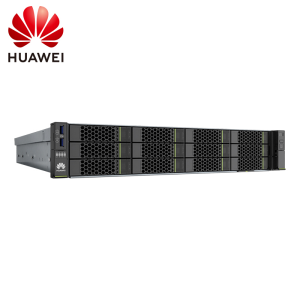
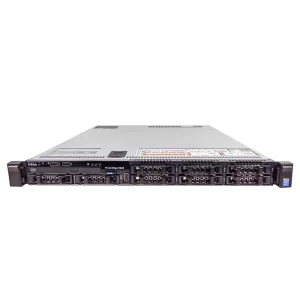
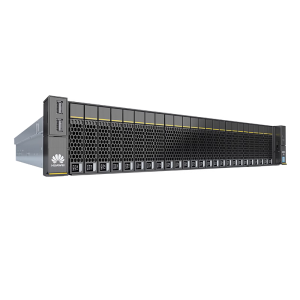
- Power: 350 W per card – two cards fit a 2U node’s PSU budget (see the PowerEdge R760, 2 x 350 W double-width GPU support, or the xFusion 2288H V7 with 4 x double-width slots).
- PCIe: Gen4 x16 card runs in Gen5 slots at full Gen4 bandwidth – no platform mismatch on 2026 servers.
- Cooling: Passive heatsink, data center airflow required – plan server airflow direction before racking.
- Network: for multi-GPU inference, pair with a 100GbE NIC (E810-CQDA2) to feed model shards without host-CPU bottlenecks.
- Software: vGPU licensing extends the card to VDI graphics pools; TRT-LLM profiles cover the major open models.

Buying FAQ
- Training or inference? L40S is inference- and graphics-optimized; training-heavy fleets should look at H200-class (see our AI hardware insights).
- ECC? Yes – 48GB GDDR6 with ECC for data integrity.
- NVLink? The L40S is a PCIe-scale card; multi-card scaling is via software (vLLM/TensorRT) and network, not NVLink mesh.
- Which servers? Any Gen4/Gen5 PCIe x16 slot with 350W power delivery – R760, 2288H V7 and similar.
- Warranty? Served with our standard hardware warranty; contact us for volume pricing.

Building an on-prem inference tier? We configure L40S-ready nodes with power/cooling matched builds and 100GbE fabric – factory-direct pricing, 3-year warranty, global shipping and free AI-hardware consultation from our authorized partner team. Contact us for an inference TCO comparison.