 Xinchuan Server | Enterprise Server Hardware Supplier
Wait – Do You Even Need Xeon 6?
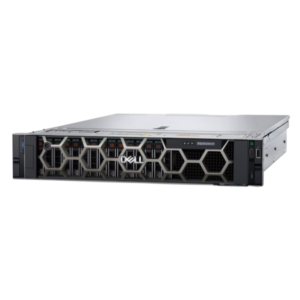
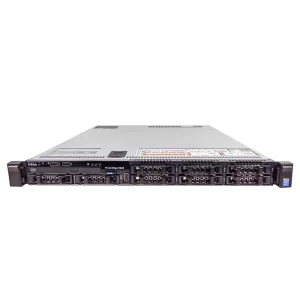
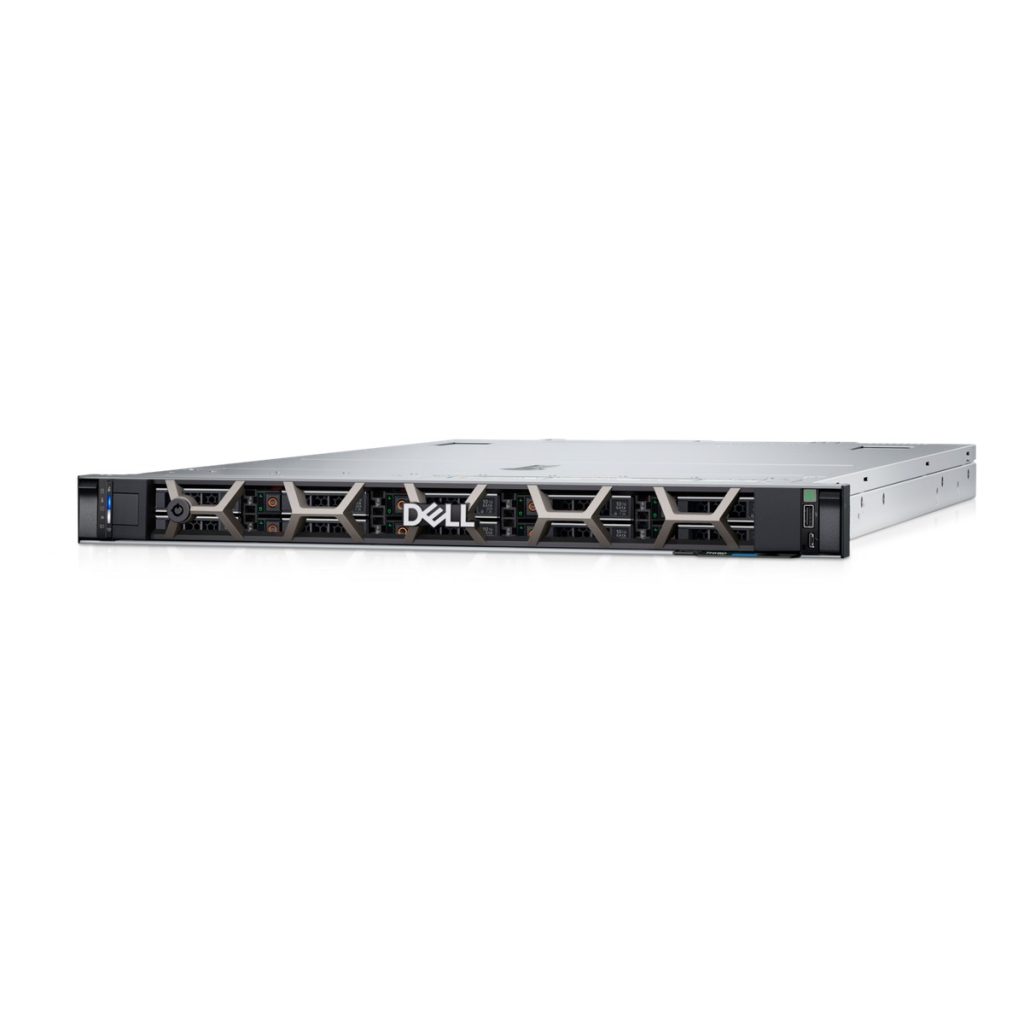
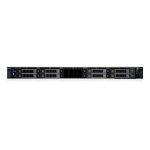
It is 2026. Every vendor is pushing Xeon 6, E-cores, PCIe Gen5, and E3.S. But here is the uncomfortable truth: for a lot of enterprise workloads, a well-configured Xeon Scalable 4th Gen server at 60% of the cost of a Xeon 6 equivalent is the smarter buy. The Dell PowerEdge R660 is that server. Dual-socket, 32 DDR5 DIMMs, up to 12 NVMe drives, 3 PCIe slots – all in 1U, at a price point that leaves budget for storage and networking instead of chasing the latest silicon.
R660 vs R670: Where Your Money Actually Goes
| What You Care About | R660 (4th Gen Xeon) | R670 (Xeon 6) | Our Take |
|---|---|---|---|
| Max cores per socket | 56 | 144 (E-core) / 86 (P-core) | Unless you need 100+ cores in 1U, 56 cores is rarely the bottleneck |
| Memory speed | DDR5-4800 | DDR5-6400 | Noticeable for HPC and AI. Negligible for web, AD, general virtualization |
| Drive bays | 8/10x 2.5-inch + 2 rear | 8/16/20x E3.S Gen5 | E3.S is the future. U.2 NVMe is cheaper today and works everywhere |
| PCIe | 3x Gen4/Gen5 | Multi Gen5 + dual OCP | If you need 100GbE + GPU + HBA in 1U, go R670. Otherwise, R660 |
| Power (idle, dual CPU) | ~200W | ~220W | Too close to matter |
| Price delta | Baseline | +25-40% | This column decides it. That delta buys a lot of NVMe storage |
What the R660 Gets Right
DDR5 across 32 DIMMs (8 TB max) – yes, on a 4th Gen platform, you still get DDR5. Up to 12 NVMe U.2 drives. PCIe Gen5 on latest motherboard revisions. The 2 rear 2.5-inch bays are underrated: boot drives that do not consume front-panel slots, keeping all 10 front bays for data. And the R660 is a known quantity – firmware is mature, drivers are established, every hypervisor and management tool has been tested against this platform for two years. In production, stability has real value.
Specifications
| Component | R660 |
|---|---|
| Form Factor | 1U dual-socket |
| Processor | 2x 4th Gen Intel Xeon Scalable (max 56 cores) |
| Memory | 32 DDR5 DIMMs, up to 8 TB |
| Storage | 8/10x 2.5-inch + 2 rear (SAS/SATA/NVMe) |
| NVMe | Up to 12 NVMe U.2 |
| PCIe | 3x PCIe Gen4/Gen5 |
| GPU | Up to 2x 75W single-wide |
| Management | iDRAC9 Enterprise |
The Jobs the R660 Does Best
- Virtualization clusters where you already own VMware licenses: 56 cores x 2 = 112 vCPUs. More than enough for 1U. Most clusters run out of memory before CPU anyway.
- Database servers needing dual-socket reliability without GPU: SQL Server, PostgreSQL, MySQL. 8 TB DDR5 handles all but the largest instances.
- Branch office deployments: Battle-tested, globally available, ISV-supported. Where you cannot afford compatibility surprises.
- Budget-constrained refreshes: 5 R660 nodes now beats 3 R670 nodes later – more redundancy, better workload isolation.
Source Through Xincuan
competitive pricing, 3-year warranty, global shipping, and honest advice on when R670 is – and is not – worth the premium.