 新川サーバー | エンタープライズ サーバー ハードウェア サプライヤー
The Workload Flip: Training Peaked, Inference Took Over
Through 2023 と 2024, training dominated GPU demand – every lab wanted the biggest 8-GPU node money could buy. By 2026 the center of gravity has moved. Models are trained once and served millions of times, so inference now consumes the majority of GPU hours in most fleets. That flips the hardware conversation: instead of maximum raw training throughput, buyers need balanced serving infrastructure – the right memory capacity, interconnect, power density and cooling, matched to real inference traffic.
2024 に 2026: A Short Timeline of the GPU Market
- 2024: H100 scarcity. 8-GPU training nodes, 40kW racks, air cooling stretched to its limit. Procurement was about allocation, not architecture.
- 2025: H200 lands with 141GB HBM3e, doubling memory for large models. Inference-optimized SKUs appear and supply starts to normalize. The first serious liquid-cooled AI racks ship in volume.
- 2026: B200/B300-class parts ramp, H20-class parts cover restricted markets, and liquid cooling becomes the default above 100kW per rack. GPU server selection is now a data-center engineering decision, not just a GPU shopping decision.
Form Factors: Matching the GPU to the Rack
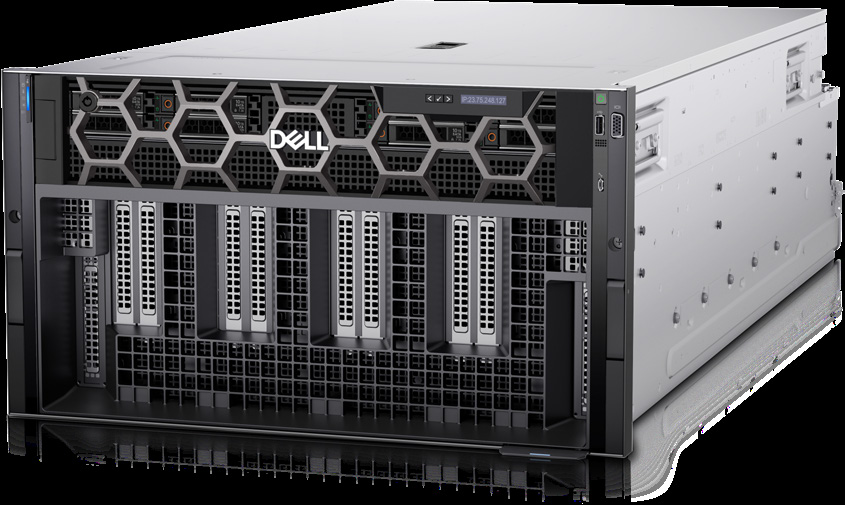
で 2026, the form factor matters as much as the GPU itself. Three shapes dominate:
- 2U 4-GPU PCIe nodes – the mainstream inference workhorse. 空冷, fits standard racks, balances GPU count against CPU, memory and network. Ideal for distributed inference behind a load balancer.
- 4U 8-GPU air-cooled – high density without plumbing. The balance point for most AI pilots and production inference where the data center has no liquid infrastructure yet.
- 8U liquid-cooled – 10kW+ per node, NVLink-class scale, built for the largest models and for racks that have made the liquid leap.

On the air-cooled side, の FusionServer G5200 V7 shows how far 4U 8-GPU designs have come – dual-socket CPUs, 8 accelerators and dense NVMe storage in one chassis, manageable inside a conventional 40-60kW rack.
Power and Cooling Are the New Bottleneck
A single 8-GPU node draws 8-14kW. Fill a rack with them and you cross 100kW – beyond the practical ceiling of air cooling. That is why liquid cooling moved from niche to default in new AI builds, and why PUE and rack power density now drive server choice more than CPU generations do. Before you order GPU servers, know three numbers: your rack power ceiling, your cooling type, and your circuit plan. The cheapest GPU in the world is useless in a rack that cannot feed it.
How to Buy GPU Servers in 2026: The Checklist
- GPU memory. For large-model inference, HBM3e with 141GB+ per GPU changes what fits in a single node. Check capacity before raw TFLOPS.
- Interconnect. NVLink/UBB scale vs PCIe Gen5: match the fabric to the workload. Distributed inference tolerates PCIe; tight multi-GPU models need NVLink.
- 力. Redundant 3-4kW PSUs, rack circuit planning, and headroom for burst loads.
- 管理. Out-of-band management (iDRAC/iBMC) at GPU scale – thermal telemetry per GPU matters when a rack draws 100kW.
- 冷却. Air vs liquid: know your data center’s ceiling before you sign. Retrofitting liquid later costs far more than choosing it up front.
- Lead times and warranty. GPU SKUs still carry long lead times. Order the warranty and spares strategy together with the hardware.
Bottom Line
2026 is the year inference economics replaced training hype. Buy GPU servers for the serving workload you will actually run, budget for power and cooling as first-class costs, and match form factor to your data center – not to the benchmark chart. Start with a proven part like the NVIDIA H200 141GB and scale from measured inference load.
Planning an AI build? Check our hardware insights or contact us with your rack power and cooling specs – we will recommend the right GPU server configuration, air or liquid.